1、What Buyers Need to Provide
To start a custom project, customers typically share:
- component drawing or physical samples
- key dimensions (L/W/H, corner radius, pin position)
- feeding method (SMT, auto-insertion, hardware automation)
- target reel quantity and reel size
- material requirements (transparent/black, ESD, etc.)
2、Engineering Review & Cavity Design
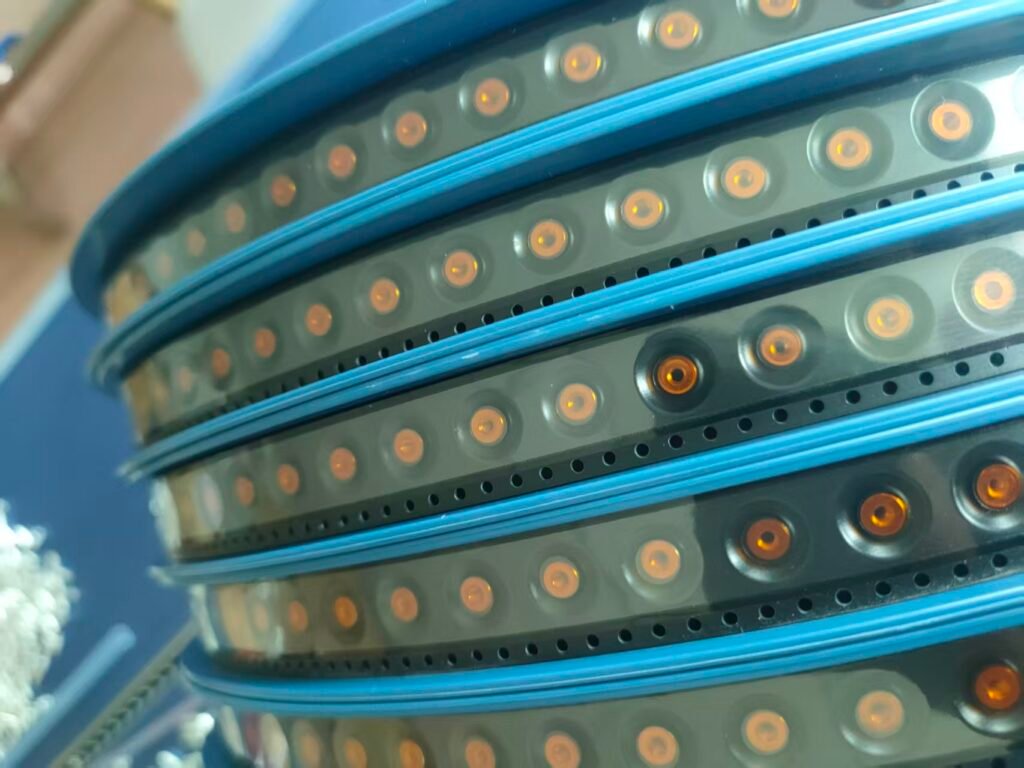
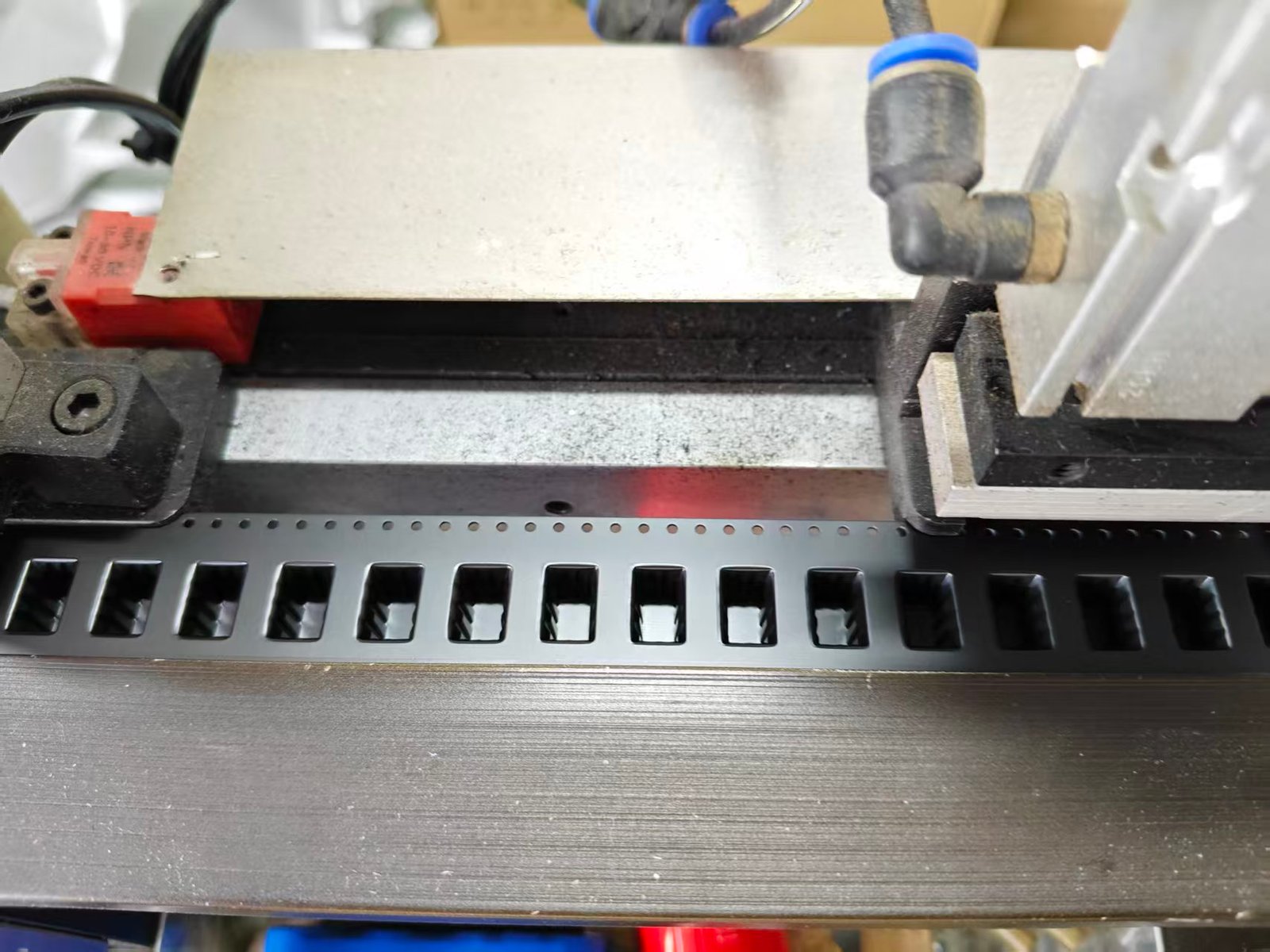
Engineers design cavities based on:
- safe clearance and snug fit
- anti-tilt / anti-flip features
- pick-up angle compatibility for nozzles
- pitch and hole layout matching feeders
3、Tooling & Prototype Samples
Concluding your blog post isn’t just about wrapping things up – it’s your final opportunity to leave a strong impact. Summarize the key takeaways from your post, reinforcing your main points. If relevant, provide actionable solutions or thought-provoking questions to keep readers thinking beyond the post. Encourage engagement by inviting comments, questions, or sharing. A well-crafted conclusion should linger in your readers’ minds, inspiring them to explore further or apply what they’ve learned.
- confirm tooling structure and life cycle
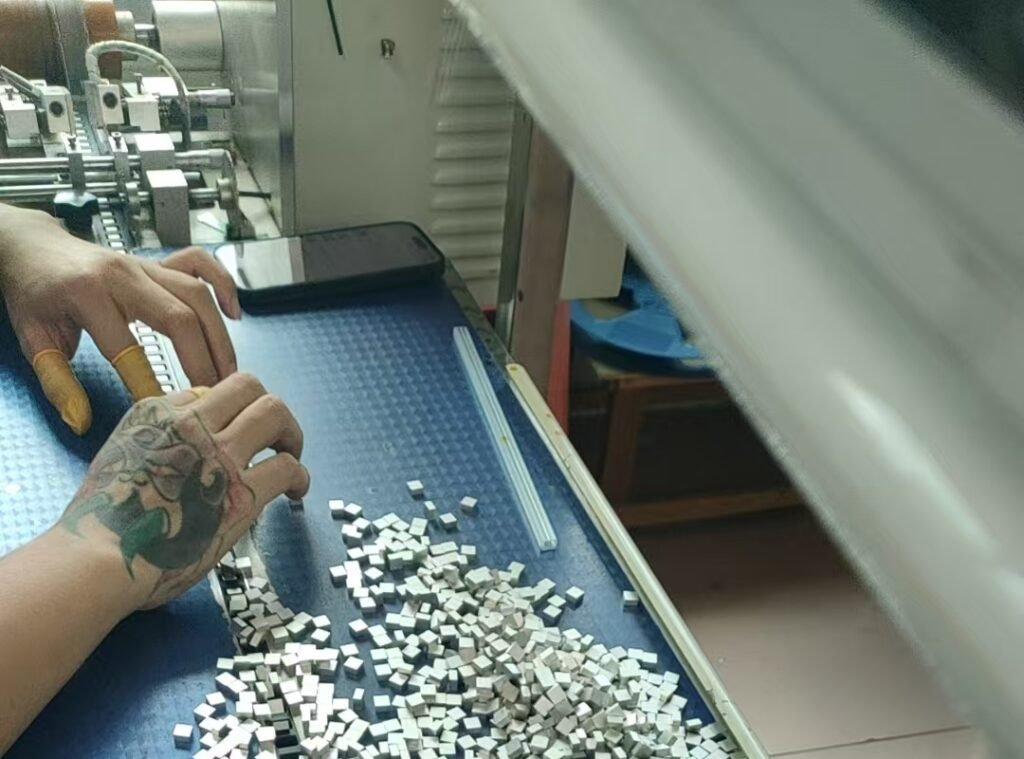
- produce prototype samples
- send for feeder/line validation
- optimize cavity if needed
4、Mass Production & QC
- full batch traceability
- SPC monitoring on key dimensions
- peel-force sampling checks
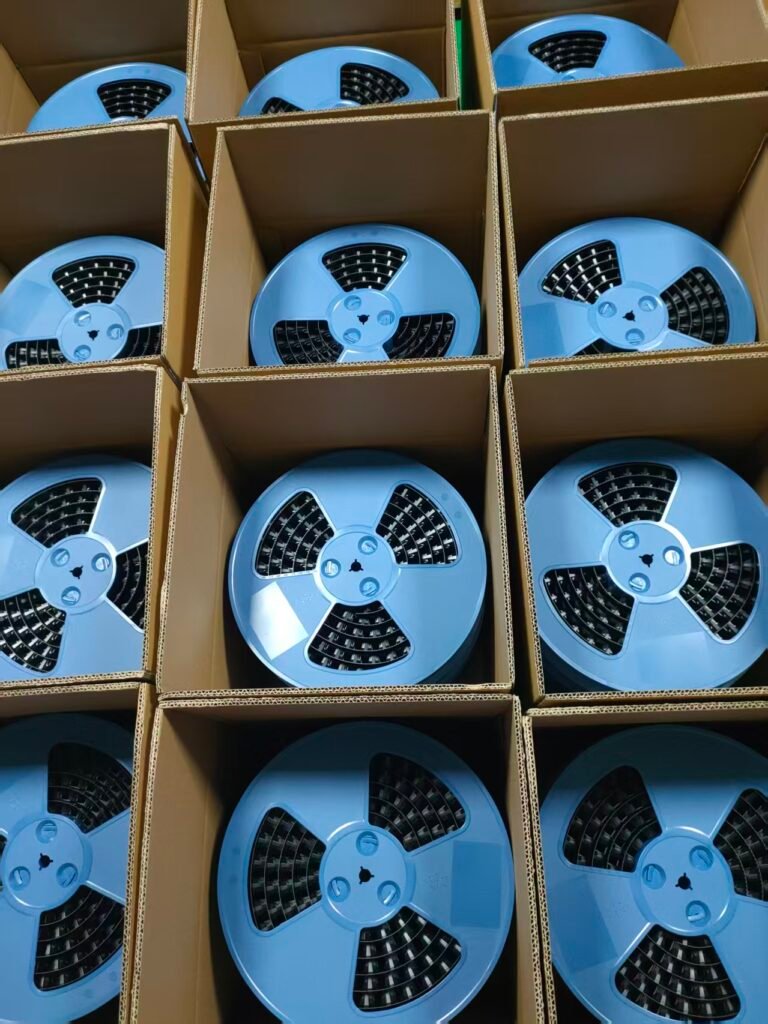
- reel packaging with verified labeling
5、Long-Term Supply Support
- specification archiving for easy repeat orders
- stable material supply
- fast re-orders and buffer stock options
Summary
Custom carrier tape is an engineering product, not just a plastic strip. A real source factory helps you get faster NPI, lower risk, and stable long-term supply.